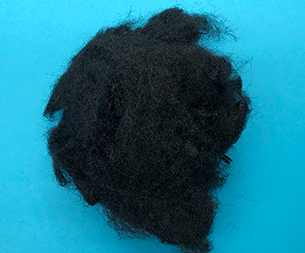
In the synthetic fiber product system, polypropylene filament fibers (CPF) have a stable market share in various industrial and civilian fields due to their light weight, corrosion resistance, and excellent physical properties. These short fibers, made from polypropylene, are produced through processes such as spinning, drawing, and cutting, with lengths typically ranging from a few millimeters to several tens of millimeters. They can be flexibly adjusted according to downstream demands.
Considerations when purchasing polypropylene staple fibers!
When purchasing polypropylene staple fibers, the first step is to clearly define the end use. For geotechnical applications, attention should be paid to fineness, length and breaking strength. Generally, specifications such as 3-15 dtex, 30-65 mm length are more common; for spinning purposes, the fineness should be finer, within the range of 1.5-2.5 dtex, with a length of 38-51 mm, to adapt to cotton or wool spinning equipment.
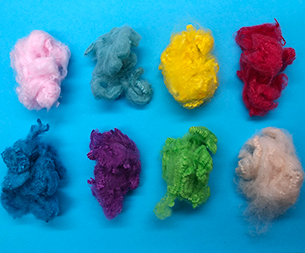
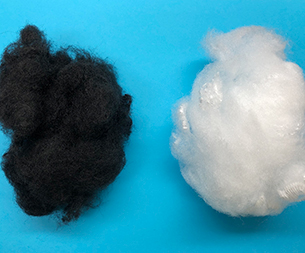
Color is also a common variable in actual selection. The primary color polypropylene staple fibers are suitable for subsequent dyeing processing. The colored fibers directly spun with color masterbatches have higher color fastness and are suitable for applications that do not require further dyeing. Some engineering fibers also need to add UV-resistant additives to enhance their outdoor service life.
The main application scenarios of polypropylene staple fibers:
In the non-woven fabric field, polypropylene staple fibers are an important raw material for needle-punched geotextiles, non-woven fabrics, and automotive interior materials. Geotextiles utilize their corrosion resistance and high strength to play a role of isolation, filtration and reinforcement in road engineering, slope protection, and landfill sites; automotive interiors value their light weight and moldability.
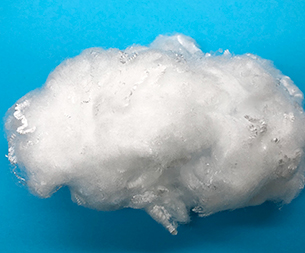
In terms of filling materials, polypropylene staple fibers are used for filling toys, cushions, and headrests. Their elasticity recovery ability and loft directly affect the user experience. Some specifications, after being treated with silicone oil, have a softer touch and are suitable for textiles that come into direct contact with the skin.
In addition, polypropylene staple fibers are also used as concrete reinforcement materials. By uniformly blending short-cut fibers into concrete, it can reduce plastic shrinkage cracks and enhance the concrete's impact resistance and crack resistance. This application is increasingly popular in bridges, roads, and water conservancy projects.
Jiangsu Haibang New Materials Co., Ltd. is a professional manufacturer of polypropylene staple fibres, specialising in the research, development and production of high-performance PP fibres for technical textile and nonwoven applications.
- Industrial Supporting Refinement Upgrades, Polypropylene Staple Fiber Breaks Universal Limitations for Specialized Matching
- Industrial Production Accelerates in September|Jiangsu Haibang New Materials Consolidates Non-woven Industry Supply with Polypropylene Staple Fiber
- Evolving Demands of Technical Textiles Drive Custom‑Functional Development of Polypropylene Staple Fiber
- Polypropylene Staple Fiber for Diverse Downstream Industries, Functional Chemical Fibers Boost Technical Textile Upgrading
- Expanded Downstream Segments Push Polypropylene Staple Fiber Toward Functional Customization
- Polypropylene Staple Fiber, Versatile Base Chemical‑fiber Material for Industrial Textiles
- Polypropylene Staple Fiber Industry Advances Steadily as Differentiated Applications Drive Service Improvement
- Polypropylene Staple Fibers Support Industrial Growth — Jiangsu Haibang New Material Earns Market Recognition Through Quality
- Functional PP Staple Fiber Expands Application Coverage, Upstream & Downstream Chemical Fiber Industries Upgrade Simultaneously
- How to Choose PP Staple Fiber for Procurement? Selection Guide for Multi-Field Fiber Raw Materials
- Markets
- Automotive Products
- Nonwoven Lining
- Geosynthetics
- Liquid Filtration
- Apparel and Textiles
- Hygiene Products
- Building and Construction
- Other Markets
- Contact Us
- Contact Haibang