
Although the United States and Vietnam reached an agreement on July 2nd, reducing tariffs on Vietnamese goods from the originally planned 46% to 20%. However, negotiations with most key trading partners remain deadlocked, with few signs of breakthrough.
The UK was the first country to reach an agreement with the US. The British government agreed to make concessions on the import of American food and agricultural products in exchange for the US reducing tariffs on British car exports. The US side still retains the benchmark tariff of 10%.
However, it is worth noting that this agreement is more like a framework. The Economic Prosperity Agreement signed by the two sides at the G7 summit only implemented tariff preferences for British automobiles and aerospace products, while the reduction of tariffs on steel and pharmaceuticals still awaits further negotiations and has not fully fulfilled the earlier commitments made by both sides.
At present, the UK still faces a 25% tariff on the export of these products. If the two sides fail to reach an agreement before the negotiation deadline, the tariff may double to 50%.
Canada, which is also facing a choice, has recently made a compromise. Under the pressure of Trump's announcement of the termination of negotiations, the Canadian Ministry of Finance dramatically announced on June 29 that it would cancel the digital services tax plan targeting US tech giants, which was originally scheduled to take effect the next day.
The cancellation of the digital tax aims to restart trade negotiations with the United States before July 21 and prevent the escalation of the trade war. Previously, Canada had taken a tough stance, but eventually chose to make concessions in exchange for a negotiation window.
Declaration: The content of this article is compiled from the Internet and the copyright belongs to the original author. If there is any infringement, please inform us in time and contact us for deletion.
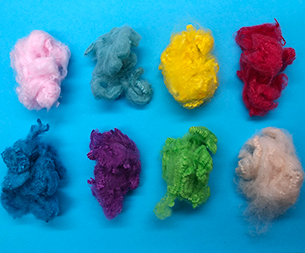

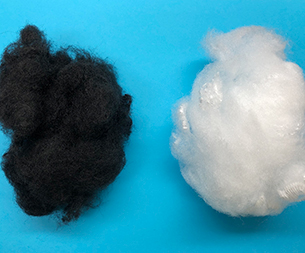
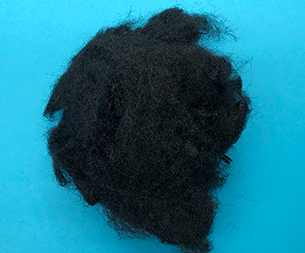
- Industrial Supporting Refinement Upgrades, Polypropylene Staple Fiber Breaks Universal Limitations for Specialized Matching
- Industrial Production Accelerates in September|Jiangsu Haibang New Materials Consolidates Non-woven Industry Supply with Polypropylene Staple Fiber
- Evolving Demands of Technical Textiles Drive Custom‑Functional Development of Polypropylene Staple Fiber
- Polypropylene Staple Fiber for Diverse Downstream Industries, Functional Chemical Fibers Boost Technical Textile Upgrading
- Expanded Downstream Segments Push Polypropylene Staple Fiber Toward Functional Customization
- Polypropylene Staple Fiber, Versatile Base Chemical‑fiber Material for Industrial Textiles
- Polypropylene Staple Fiber Industry Advances Steadily as Differentiated Applications Drive Service Improvement
- Polypropylene Staple Fibers Support Industrial Growth — Jiangsu Haibang New Material Earns Market Recognition Through Quality
- Functional PP Staple Fiber Expands Application Coverage, Upstream & Downstream Chemical Fiber Industries Upgrade Simultaneously
- How to Choose PP Staple Fiber for Procurement? Selection Guide for Multi-Field Fiber Raw Materials
- Markets
- Automotive Products
- Nonwoven Lining
- Geosynthetics
- Liquid Filtration
- Apparel and Textiles
- Hygiene Products
- Building and Construction
- Other Markets
- Contact Us
- Contact Haibang