
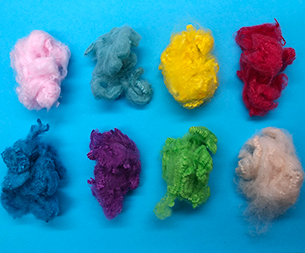
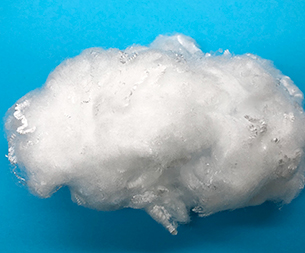
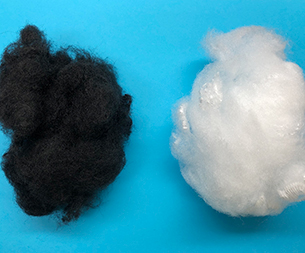
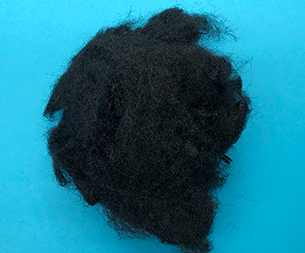
Polypropylene staple fibers are short-cut fibers made from polypropylene through the melt spinning process. Their lengths usually range from 1.5 to 200 millimeters, and the fineness ranges from 0.3 to 110 deniers. They can be customized for different applications. This material holds a certain share in the domestic chemical fiber market and is widely used in various fields.
From a physical performance perspective, the density of Polypropylene staple fibers is relatively low, approximately 0.9 grams per cubic centimeter, which makes the weight of the finished products relatively light. In terms of strength, the dry and wet strength of polypropylene short fibers are basically the same, and they have good wear resistance and chemical corrosion resistance. The material has a strong tolerance to acids and alkalis, is not prone to microbial growth, and is not likely to suffer from insect damage. In addition, polypropylene short fibers have good thermal insulation and electrical insulation properties, but their heat resistance and aging resistance are relatively limited. Usually, anti-aging agents need to be added to improve them.
In the field of industrial textiles, the application of Polypropylene staple fibers is relatively mature. Geotextiles are one of the main application directions. The woven or non-woven geotextiles made from polypropylene staple fibers can play a reinforcing role in projects such as dams and highways on soft soil foundations. The automotive interior field also extensively uses polypropylene staple fibers to manufacture interior fabrics, interior components, and floor mats, etc. These components require materials with corrosion resistance and easy cleaning properties, and polypropylene staple fibers can meet these requirements.
In the fields of household products and clothing, Polypropylene staple fibers are also applied. Needle-punched carpets are an important form of polypropylene staple fibers. After adding polypropylene staple fibers, the elasticity and softness of the carpet are improved. When blended with cotton or viscose fibers, polypropylene staple fibers can be used to produce blankets, bed sheets, clothing linings and other textiles. Fine-diameter polypropylene staple fibers have a capillary effect and can conduct sweat, making them suitable for use in sports clothing and close-fitting garments. In addition, polypropylene staple fibers are also used as fillers or reinforcing materials in areas such as cigarette filters, ropes and filter materials.
Jiangsu Haibang New Materials Co., Ltd., formerly known as Taizhou Hailun Chemical Fiber Co., Ltd., is a technical-oriented chemical fiber enterprise specializing in the research, production and sales of polypropylene staple fibers. The company has two factory sites in the north and south of Jiangsu Province (18 kilometers apart), covering a total area of over 100,000 square meters, with 50,000 square meters of factory buildings and over 10,000 square meters of office buildings. The company has 9 advanced fully automatic polypropylene staple fiber production lines, with an annual designed production capacity of 90,000 tons. The company has established a complete polypropylene staple fiber testing laboratory, equipped with a complete set of fiber testing instruments, and has the ability to develop new products for polypropylene staple fibers. The company produces a full range of polypropylene staple fiber products, mainly applied in industries such as the automotive industry, sofa fabric (Kubu), geotextiles, liquid filtration, textiles, health care, carpets, etc.
- Industrial Supporting Refinement Upgrades, Polypropylene Staple Fiber Breaks Universal Limitations for Specialized Matching
- Industrial Production Accelerates in September|Jiangsu Haibang New Materials Consolidates Non-woven Industry Supply with Polypropylene Staple Fiber
- Evolving Demands of Technical Textiles Drive Custom‑Functional Development of Polypropylene Staple Fiber
- Polypropylene Staple Fiber for Diverse Downstream Industries, Functional Chemical Fibers Boost Technical Textile Upgrading
- Expanded Downstream Segments Push Polypropylene Staple Fiber Toward Functional Customization
- Polypropylene Staple Fiber, Versatile Base Chemical‑fiber Material for Industrial Textiles
- Polypropylene Staple Fiber Industry Advances Steadily as Differentiated Applications Drive Service Improvement
- Polypropylene Staple Fibers Support Industrial Growth — Jiangsu Haibang New Material Earns Market Recognition Through Quality
- Functional PP Staple Fiber Expands Application Coverage, Upstream & Downstream Chemical Fiber Industries Upgrade Simultaneously
- How to Choose PP Staple Fiber for Procurement? Selection Guide for Multi-Field Fiber Raw Materials
- Markets
- Automotive Products
- Nonwoven Lining
- Geosynthetics
- Liquid Filtration
- Apparel and Textiles
- Hygiene Products
- Building and Construction
- Other Markets
- Contact Us
- Contact Haibang