Some non‑woven manufacturers produce both hygiene‑grade non‑wovens and automotive‑interior needle‑punched fabrics. To simplify procurement, they try adopting one single grade of polypropylene staple fiber for both sectors. Various defects occur afterwards. Hygiene‑purpose fiber brings excessive volatile matters during automotive‑interior thermal‑setting; automotive‑grade fiber fails liquid‑penetration requirement for hygiene articles. Even with identical denier and breaking tenacity, the raw material cannot satisfy end‑product standards, because hygiene and automotive industries set totally different requirements on finishing‑oil system, thermal volatile content and hydrophilicity of polypropylene staple fiber.
Hygiene‑grade polypropylene staple fiber emphasizes hydrophilic performance and low‑migration finishing oil for fast liquid penetration of sanitary napkins and pet pads, with skin‑friendly oil formulation. By contrast, automotive‑interior‑grade polypropylene staple fiber focuses on low‑VOC and low‑thermal‑volatiles to reduce interior odor after hot‑press forming, without mandatory hydrophilic demand. Applying high‑hydrophilic hygiene‑grade fiber for auto parts releases volatile components under high temperature and causes unpleasant cabin odor. Adopting low‑volatility automotive‑grade fiber for hygiene products leads to poor liquid penetration and re‑wet failure.
Denier and tenacity can be similar, yet finishing‑oil type, thermal weight‑loss and hydrophilic value cannot be directly shared. Purchasers shall confirm target application instead of merely checking appearance and mechanical indexes to prevent mass scrap caused by cross‑field misapplication.
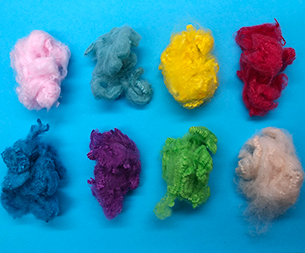
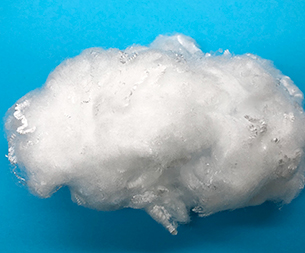
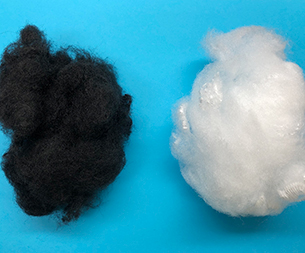
Jiangsu Haibang New Material Co., LTD supplies full‑range polypropylene staple fiber, including dedicated grades for hygiene materials and automotive interiors for spunlace, hot‑rolling and needle‑punched processes. The in‑house laboratory monitors hydrophilic‑penetration index for hygiene articles and low‑VOC & thermal‑loss index for automotive parts. Operating two production sites with 9 automatic lines and 90‑thousand‑ton annual capacity, the company also provides raw materials for geotextiles, sofa fabrics and carpets. Customization on finishing oil, denier and cut‑length is available for specific end‑uses. Simulation tests with samples help non‑woven factories avoid quality hazards from improper grade mixing.
As downstream applications become more segmented, polypropylene staple fiber selection shall match actual scenarios rather than relying merely on basic physical indexes for universal substitution.
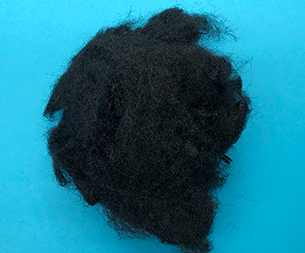
- Polypropylene Staple Fiber for Hygiene & Auto Interiors: Indexes Not Interchangeable
- What should be noted when purchasing polypropylene staple fibers for the project?
- From Materials to Applications: New Changes Emerging in the Polypropylene Fiber Industry
- Polypropylene Staple Fiber Applications Are Becoming More Specialized
- Industrial Supporting Refinement Upgrades, Polypropylene Staple Fiber Breaks Universal Limitations for Specialized Matching
- Industrial Production Accelerates in September|Jiangsu Haibang New Materials Consolidates Non-woven Industry Supply with Polypropylene Staple Fiber
- Evolving Demands of Technical Textiles Drive Custom‑Functional Development of Polypropylene Staple Fiber
- Polypropylene Staple Fiber for Diverse Downstream Industries, Functional Chemical Fibers Boost Technical Textile Upgrading
- Expanded Downstream Segments Push Polypropylene Staple Fiber Toward Functional Customization
- Polypropylene Staple Fiber, Versatile Base Chemical‑fiber Material for Industrial Textiles
- Markets
- Automotive Products
- Nonwoven Lining
- Geosynthetics
- Liquid Filtration
- Apparel and Textiles
- Hygiene Products
- Building and Construction
- Other Markets
- Contact Us
- Contact Haibang