In the past, polypropylene fibers were mainly regarded as basic raw materials for textile and nonwoven production. As downstream markets become more specialized, the focus of the industry is gradually changing from whether a fiber can be processed to whether it can better meet the requirements of a specific application.
This shift is closely related to the development of downstream products. Automotive interiors, filtration materials, geotextiles, hygiene products and household applications have different requirements for fiber materials. Even when the same type of polypropylene fiber is used, manufacturers may focus on different characteristics such as fineness, strength, crimp, softness and processing stability.
As a result, fiber manufacturers are also adjusting their approach to product development. Compared with simply increasing the number of specifications, optimizing products according to downstream processing methods and application scenarios can provide a clearer direction for product development.
Jiangsu Haibang New Material Co., Ltd. has been engaged in the development and production of polypropylene fiber products. Recent public information indicates that the company is advancing a functional modified polypropylene fiber project. This development also reflects the industry's movement toward more specialized application requirements.
Functionalization does not necessarily mean making materials more complicated. In actual production, adjusting one particular property can influence the behavior of a fiber during web formation, thermal treatment or subsequent processing. Fiber manufacturers therefore need to find an appropriate balance between product design and manufacturing processes.
For downstream users, this change also creates a different approach to raw-material selection. In addition to conventional test data, manufacturers can evaluate materials according to their own equipment, production processes and final applications. The compatibility between raw materials and processing equipment can influence process adjustments and product consistency.
From a supply-chain perspective, the polypropylene fiber industry is gradually moving from simple raw-material supply toward closer application cooperation. Material manufacturers need to understand downstream requirements, while processors need to communicate practical production issues back to material suppliers. More effective communication can make product development more targeted.
For Jiangsu Haibang New Material, continued development in fiber products and functional materials represents a response to these changes in the industry. As downstream applications become more specialized, polypropylene fiber manufacturers may need to focus not only on production volume and specifications, but also on creating a more stable connection between material performance and actual application requirements.
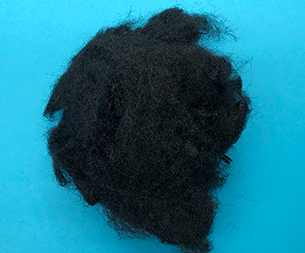
- From Materials to Applications: New Changes Emerging in the Polypropylene Fiber Industry
- Polypropylene Staple Fiber Applications Are Becoming More Specialized
- Industrial Supporting Refinement Upgrades, Polypropylene Staple Fiber Breaks Universal Limitations for Specialized Matching
- Industrial Production Accelerates in September|Jiangsu Haibang New Materials Consolidates Non-woven Industry Supply with Polypropylene Staple Fiber
- Evolving Demands of Technical Textiles Drive Custom‑Functional Development of Polypropylene Staple Fiber
- Polypropylene Staple Fiber for Diverse Downstream Industries, Functional Chemical Fibers Boost Technical Textile Upgrading
- Expanded Downstream Segments Push Polypropylene Staple Fiber Toward Functional Customization
- Polypropylene Staple Fiber, Versatile Base Chemical‑fiber Material for Industrial Textiles
- Polypropylene Staple Fiber Industry Advances Steadily as Differentiated Applications Drive Service Improvement
- Polypropylene Staple Fibers Support Industrial Growth — Jiangsu Haibang New Material Earns Market Recognition Through Quality
- Markets
- Automotive Products
- Nonwoven Lining
- Geosynthetics
- Liquid Filtration
- Apparel and Textiles
- Hygiene Products
- Building and Construction
- Other Markets
- Contact Us
- Contact Haibang