In automotive interiors, geotechnical engineering, filtration materials, household goods, and hygiene products, fiber raw materials serve diverse functions. As downstream products become increasingly segmented, companies are focusing on more than just basic indicators like strength and length when selecting fibers; they are also considering factors such as web-forming performance, thermal bonding, flexibility, and compatibility with different processing techniques.
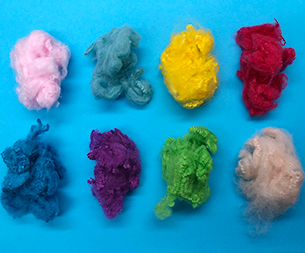
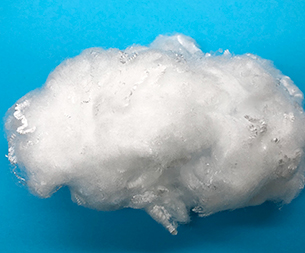
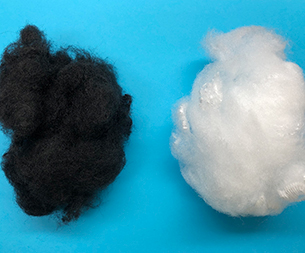
Polypropylene staple fiber uses polypropylene as its main raw material and is produced in various specifications through processes such as spinning, cooling, drawing, crimping, and cutting. Due to its low density, acid and alkali resistance, and abrasion resistance, polypropylene can be used in a wide range of industrial applications.
For nonwoven fabric manufacturers, the actual performance of the fiber depends not only on a single test indicator but also on the carding, web-forming, and thermal bonding processes. Insufficient matching of fiber crimp, length, or fineness with production equipment can increase the frequency of adjustments during production. Therefore, when selecting Polypropylene staple fiber , it is necessary to consider both the raw material properties and subsequent processing methods.
Jiangsu Haibang New Materials Co., Ltd. is a technology-based enterprise engaged in the research, development, production, and sales of polypropylene fibers. Its products are used in the automotive industry, home engineering, construction engineering, liquid filtration, textiles, and sanitary materials. These applications reveal that different downstream industries have varying needs for fibers. For example, automotive interiors prioritize lightweighting and processing stability, while geosynthetics require a balance of strength and durability, and filtration materials impose different requirements on fiber structure and web formation.
This has driven the development of Polypropylene staple fiber products towards functionalization and application customization. Fiber companies not only need to maintain stable production processes but also continuously adjust their product structure based on end-use scenarios.
From an industry perspective, Polypropylene staple fiber is no longer just a single basic fiber raw material. For manufacturers, achieving a more accurate match between product performance and specific processing scenarios will be a continuous consideration during product development.
As the automotive, engineering materials, filtration, and sanitary materials sectors continue to segment, the application scope of polypropylene staple fiber will continue to adjust with changes in downstream processes. For purchasing and manufacturing companies, selecting appropriate specifications based on actual usage needs is more valuable than simply comparing a single parameter.
- Quality And Delivery Considerations Of Polypropylene Staple Fibers For Foreign Trade Orders
- Process Points Of Polypropylene Staple Fibers For Needle‑Punched Non‑Woven Fabrics
- Practical Guide for Storage and Pre‑Feeding Inspection of Polypropylene Staple Fibers
- Selection Tips for Polypropylene Staple Fibers to Match Non‑Woven Processes
- Polypropylene Staple Fiber for Hygiene & Auto Interiors: Indexes Not Interchangeable
- What should be noted when purchasing polypropylene staple fibers for the project?
- From Materials to Applications: New Changes Emerging in the Polypropylene Fiber Industry
- Polypropylene Staple Fiber Applications Are Becoming More Specialized
- Industrial Supporting Refinement Upgrades, Polypropylene Staple Fiber Breaks Universal Limitations for Specialized Matching
- Industrial Production Accelerates in September|Jiangsu Haibang New Materials Consolidates Non-woven Industry Supply with Polypropylene Staple Fiber
- Markets
- Automotive Products
- Nonwoven Lining
- Geosynthetics
- Liquid Filtration
- Apparel and Textiles
- Hygiene Products
- Building and Construction
- Other Markets
- Contact Us
- Contact Haibang