Polypropylene staple fibers serve as important raw material for needle‑punched, spunlace and air‑laid non‑woven fabrics. Crimp count and crimp retention are key evaluation indicators for Polypropylene staple fibers, which greatly affect opening, carding and web‑forming performance. Many purchasers pay much attention to denier and breaking tenacity while overlooking crimp parameters, resulting in uneven web and insufficient bulkiness after production.
Crimp of Polypropylene staple fibers is formed by crimper and heat‑setting procedure after drawing. Insufficient crimp count leads to poor fiber cohesion, fiber flying during carding and thin spots on web surface. Excessive crimp causes fiber tangling, difficult opening and neps. Besides crimp count, crimp retention matters. Poor heat‑setting of Polypropylene staple fibers brings rapid crimp loss after hot‑press, and reduces bulkiness and resilience of finished non‑woven fabric.
Non‑woven processes require different crimp ranges for Polypropylene staple fibers. Polypropylene staple fibers for geotextile and sofa fabric need moderate crimp for interlocking effect. Air‑laid process demands good opening performance, so excessive crimp shall be avoided. For hygiene‑grade non‑woven fabric, crimp shall cooperate with finish‑oil to meet hydrophilic requirement besides stable web‑forming.
Large crimp dispersion within one batch of Polypropylene staple fibers causes thickness fluctuation of non‑woven fabric. When switching raw‑material batches, downstream manufacturers shall carry out small‑scale trial production besides checking test reports. Observe opening condition and web uniformity to verify matching performance. Proper pre‑production trial reduces process faults and stabilizes overall quality of non‑woven products.
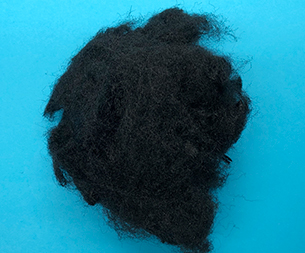
- Warehouse‑entry Inspection Of Polypropylene Staple Fibers To Reduce Subsequent Production Risks
- Influence Of Crimp Index Of Polypropylene staple fibers On Non‑woven Processing
- Collaborative Value Of Polypropylene Staple‑fiber Supply Chain Under Industrial Non‑woven Development
- Modification Trends And Practical Selection Tips Of Polypropylene Staple Fibers
- Customization Trend of Technical Polypropylene Fibers
- Application and Grades of Polypropylene Staple Fibers
- Quality And Delivery Considerations Of Polypropylene Staple Fibers For Foreign Trade Orders
- Process Points Of Polypropylene Staple Fibers For Needle‑Punched Non‑Woven Fabrics
- Practical Guide for Storage and Pre‑Feeding Inspection of Polypropylene Staple Fibers
- Selection Tips for Polypropylene Staple Fibers to Match Non‑Woven Processes
- Markets
- Automotive Products
- Nonwoven Lining
- Geosynthetics
- Liquid Filtration
- Apparel and Textiles
- Hygiene Products
- Building and Construction
- Other Markets
- Contact Us
- Contact Haibang