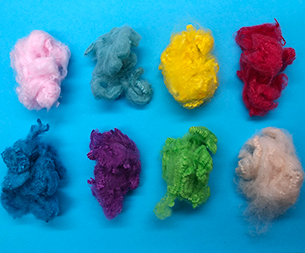
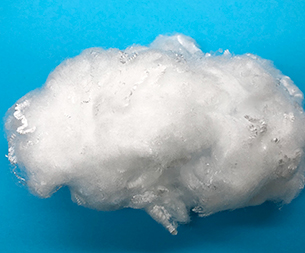
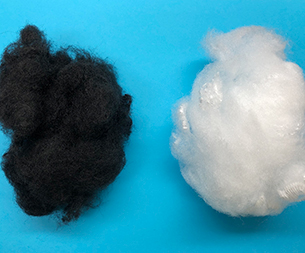
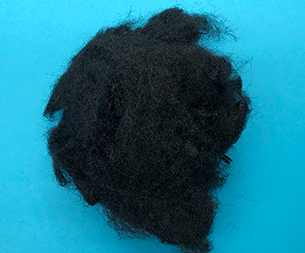
Polypropylene staple fiber uses polypropylene resin as the main raw material, and is made into colored and colorless fluffy fibers with specified denier and length through processes such as melt spinning, drawing, crimping, drying, shaping and cutting, and packaging.
performance:
1. It has excellent moisture conductivity, flexibility, netting and combability, and excellent thermal adhesion.
2. High strength, strong curling elasticity, light weight, low melting point, good surface permeability, acid and alkali resistance and abrasion resistance are better than other fibers
Polypropylene staple fiber is mainly used in needle-punched carpets, automotive interiors, non-woven fabrics, ropes, decorative materials, medical and sanitary products, and so on. Short fiber is also called cut fiber. The chemical fiber long fiber bundle is cut or stretched into fibers equivalent to the length of various natural fibers. Natural fibers such as whiskers and asbestos can also be used. Short fiber limit, the length is generally 35 ~ 150mm. According to the specifications of natural fibers, it can be divided into short fibers such as cotton, wool, carpet and medium-length. They can be spun purely or blended with natural fibers or other fibers in different proportions to make yarns, fabrics and felts. For example, cut general-purpose pitch carbon fiber into 150mm long, 15μm diameter, 800MPa strength, and 41GPa modulus carbon fiber, mixed with phenolic carbon fiber (length 70mm, strength 200MPa, diameter 14μm) in a ratio of 8:2 to obtain Stable and even yarn. Woven into various shapes of fabrics or chopped into fibers for reinforcement of composite materials such as cement and aluminum alloy.
The difference between polypropylene staple fiber and polyester staple fiber:
Polypropylene fiber is light in weight, high in strength, non-hydrophilic, and has a wicking effect in fine deniers, but it is not easy to make filaments with fine deniers. Polyester has strong spinnability and better dyeing performance than polypropylene. It can be processed or isomerized into functional fibers. Polypropylene staple fiber mainly relies on its wicking effect as a sports fabric for moisture absorption and perspiration. It has poor monochromatic dyeing and needs to be blended with cotton and polyester fibers.
- From Materials to Applications: New Changes Emerging in the Polypropylene Fiber Industry
- Polypropylene Staple Fiber Applications Are Becoming More Specialized
- Industrial Supporting Refinement Upgrades, Polypropylene Staple Fiber Breaks Universal Limitations for Specialized Matching
- Industrial Production Accelerates in September|Jiangsu Haibang New Materials Consolidates Non-woven Industry Supply with Polypropylene Staple Fiber
- Evolving Demands of Technical Textiles Drive Custom‑Functional Development of Polypropylene Staple Fiber
- Polypropylene Staple Fiber for Diverse Downstream Industries, Functional Chemical Fibers Boost Technical Textile Upgrading
- Expanded Downstream Segments Push Polypropylene Staple Fiber Toward Functional Customization
- Polypropylene Staple Fiber, Versatile Base Chemical‑fiber Material for Industrial Textiles
- Polypropylene Staple Fiber Industry Advances Steadily as Differentiated Applications Drive Service Improvement
- Polypropylene Staple Fibers Support Industrial Growth — Jiangsu Haibang New Material Earns Market Recognition Through Quality
- Markets
- Automotive Products
- Nonwoven Lining
- Geosynthetics
- Liquid Filtration
- Apparel and Textiles
- Hygiene Products
- Building and Construction
- Other Markets
- Contact Us
- Contact Haibang