
China’s industrial textile market keeps evolving in recent years. Downstream non‑woven buyers are changing their procurement logic for polypropylene staple fibers. Instead of focusing merely on price and production capacity, they pay more attention to the compatibility between fibers, local processing technology and end‑use scenarios. The industry has stepped into a new phase featured by process adaptation and differentiated competition.
Segments including geotechnical engineering, automotive interior, hygiene material, liquid filtration and sofa upholstery raise distinct technical requirements for polypropylene staple fibers. Geotechnical projects demand anti‑aging, acid‑alkali‑resistant and mechanically robust fibers. Hygiene industries prioritize softness, low rewet value and safety. Automotive interiors set strict thresholds for odor and thermal shrinkage. Filtration applications require uniform fiber quality to guarantee filter performance. General‑spec polypropylene staple fibers can hardly meet diversified high‑level requirements across all sectors.
Under such circumstances, upstream chemical fiber manufacturers strengthen full‑range quality control covering raw‑material incoming inspection to finished‑goods delivery to minimize batch deviation. Meanwhile, more R&D resources are invested in modification technologies such as dope dyeing and functional master‑batch blending to develop customized polypropylene staple fibers, lowering downstream post‑treatment workload and supporting low‑carbon manufacturing.Enterprises participating in industry standard‑setting better understand real‑world pain points and align fiber specifications with end‑application demands.
From the industrial‑chain perspective, polypropylene staple fiber producers are more than raw‑material suppliers. They need to deeply cooperate with non‑woven converters, learning about equipment conditions and web‑forming processes and offering technical references. Driven by steady growth of infrastructure construction, automotive lightweight and home furnishing markets, fiber manufacturers with independent R&D and testing capacity and customized solution capability will embrace more market opportunities and boost high‑quality development of the whole industrial‑textile chain.
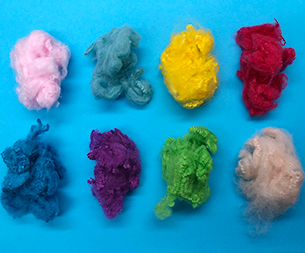
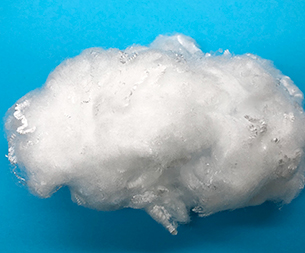
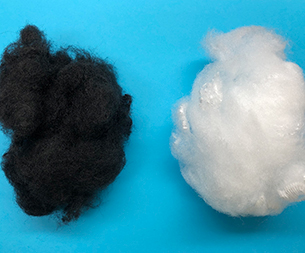
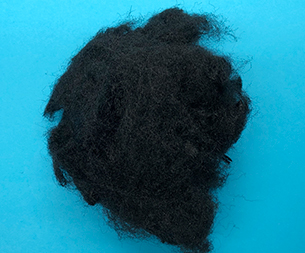
- Upgrading of Non‑woven Raw Materials: Polypropylene Staple Fibers Enter Process‑adaptation Era
- Polypropylene Staple Fibers: Core Basic Material for Industrial Non‑woven Fabrics
- Warehouse‑entry Inspection Of Polypropylene Staple Fibers To Reduce Subsequent Production Risks
- Influence Of Crimp Index Of Polypropylene staple fibers On Non‑woven Processing
- Collaborative Value Of Polypropylene Staple‑fiber Supply Chain Under Industrial Non‑woven Development
- Modification Trends And Practical Selection Tips Of Polypropylene Staple Fibers
- Customization Trend of Technical Polypropylene Fibers
- Application and Grades of Polypropylene Staple Fibers
- Quality And Delivery Considerations Of Polypropylene Staple Fibers For Foreign Trade Orders
- Process Points Of Polypropylene Staple Fibers For Needle‑Punched Non‑Woven Fabrics
- Markets
- Automotive Products
- Nonwoven Lining
- Geosynthetics
- Liquid Filtration
- Apparel and Textiles
- Hygiene Products
- Building and Construction
- Other Markets
- Contact Us
- Contact Haibang