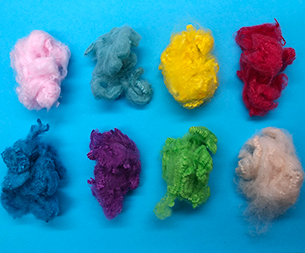
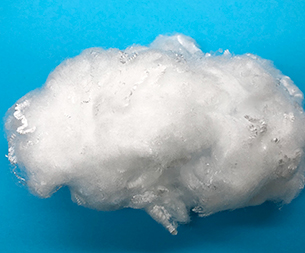
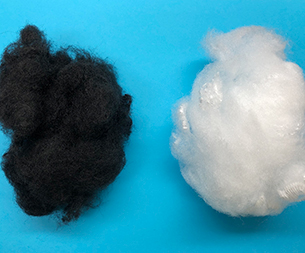
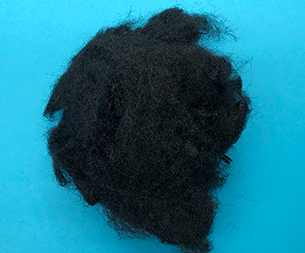
The polypropylene staple fiber is made of polypropylene resin as the main raw material, which is formed into a fluffy and colorless, defined, and the length of fluffy fibers are made by melt spinning, drafting, curling, drying stereotype, packaging and other processes.
The polypropylene staple fiber has a lot of excellent performance, mainly reflected in the following four aspects:
First, polypropylene staple fibers have superior humidification, flexibility, networked, and excellent thermal bonding
Second, polypropylene staple fiber is light, its density is 0.9 ~ 0.92 g / cubic centimeter, which is the lightest in all synthetic fibers, which is 2% percent than the polyamide fiber, 30% percent, compared to adhesive The fiber is light 40%; the strength is high (the same as the mild and wet state), the wear resistance and returning is good; anti-microorganisms are not mildew; chemical resistance is also superior to general synthetic fibers.
Third, compared with other synthetic fibers, the electrical insulation and warmth of polypropylene short fibers is preferably, its resistivity is high (7 × 10¹⁹ ohm · cm), and the thermal conductivity is small.
Fourth, high strength, strong curling elasticity, light weight, low melting point, good surface permeability, acid and alkali-resistant wear resistance is better than other fibers.
The above four points are some of the properties of polypropylene short fibers.
Apropylene staple fiber spinning temperature is high (300 ° C or higher), and the spinning temperature difference between various specifications is large. Therefore, the selection and control of polypropylene short fiber temperature is very important. The spinning temperature is too high, and the strength of the finished product is significantly reduced in addition to the wool, and the strength of the finished product is obvious. If the control temperature is too low, in addition to the hard yarn and melt crack, the tensile properties can be deteriorated, and even cannot stretch, forced to reduce the stretchable ratio, or the stretching yarn retreat is too large. Resulting in too high elongation in the finished product. In addition to the experience observation, spinning temperature control mainly rely on the touched average molecular weight of the oil-free yarn. Generally, the insulation zone has the greatest effect on polymer degradation, thus changing the temperature of the region so that the molecular weight of the oil-free yarn is faster, and the spinning temperature is one of the critical layers of polypropylene staple fibers.
- From Materials to Applications: New Changes Emerging in the Polypropylene Fiber Industry
- Polypropylene Staple Fiber Applications Are Becoming More Specialized
- Industrial Supporting Refinement Upgrades, Polypropylene Staple Fiber Breaks Universal Limitations for Specialized Matching
- Industrial Production Accelerates in September|Jiangsu Haibang New Materials Consolidates Non-woven Industry Supply with Polypropylene Staple Fiber
- Evolving Demands of Technical Textiles Drive Custom‑Functional Development of Polypropylene Staple Fiber
- Polypropylene Staple Fiber for Diverse Downstream Industries, Functional Chemical Fibers Boost Technical Textile Upgrading
- Expanded Downstream Segments Push Polypropylene Staple Fiber Toward Functional Customization
- Polypropylene Staple Fiber, Versatile Base Chemical‑fiber Material for Industrial Textiles
- Polypropylene Staple Fiber Industry Advances Steadily as Differentiated Applications Drive Service Improvement
- Polypropylene Staple Fibers Support Industrial Growth — Jiangsu Haibang New Material Earns Market Recognition Through Quality
- Markets
- Automotive Products
- Nonwoven Lining
- Geosynthetics
- Liquid Filtration
- Apparel and Textiles
- Hygiene Products
- Building and Construction
- Other Markets
- Contact Us
- Contact Haibang