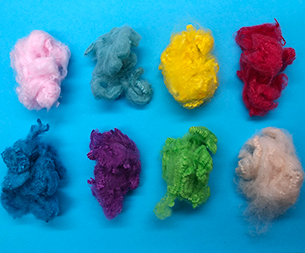
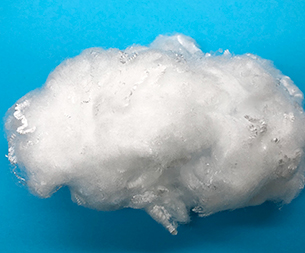
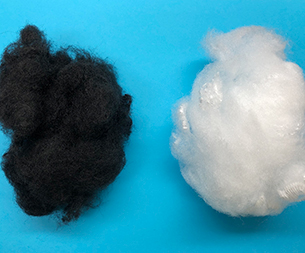
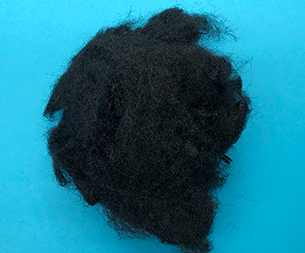
Polypropylene short fiber with polyamide fibers, polyester fiber light, viscose fiber light, etc. have their own advantages, polypropylene short fibers are mainly raw materials with polypropylene resins, passed through melt spinning, drafting, curl, drying stereotype , Packages and other process processes are colored and colorless, and they specify the fluffy fibers of the number and length.
So is a polypropylene short fiber having excellent performance? Light, the density is 0.9 ~ 0.92 g / cubic centimeter, which is the lightest in all synthetic fibers, which is 2% percent than the polyamide fiber, 30% larger than the polyester fiber, 40% minus the adhesive fiber; intensity; High (the same as the same as the wet state), wear resistance and rebound; anti-microorganisms, non-mildew; chemical resistance is also superior to general synthetic fibers. Further, compared with other synthetic fibers, the electrical insulation and warmth of polypropylene fibers are preferably, its resistivity is high (7 × 10¹⁹ ohm, cm), and the thermal conductivity is small.
However, the polypropylene short fiber has a low melting point (165 ~ 173 ° C), poor light, thermal stability, soopropylene fiber heat resistance, poor aging resistance, usually adopting a thermal stabilizer and an anti-aging agent to improve its performance. Its hygroscopicity and dyeness are the worst in the synthetic fibers, and the slot margin is less than 0.03%, and the ordinary dyes cannot be colored, so that the fiber is added to the raw material polypropylene during spinning. Coloration.
- From Materials to Applications: New Changes Emerging in the Polypropylene Fiber Industry
- Polypropylene Staple Fiber Applications Are Becoming More Specialized
- Industrial Supporting Refinement Upgrades, Polypropylene Staple Fiber Breaks Universal Limitations for Specialized Matching
- Industrial Production Accelerates in September|Jiangsu Haibang New Materials Consolidates Non-woven Industry Supply with Polypropylene Staple Fiber
- Evolving Demands of Technical Textiles Drive Custom‑Functional Development of Polypropylene Staple Fiber
- Polypropylene Staple Fiber for Diverse Downstream Industries, Functional Chemical Fibers Boost Technical Textile Upgrading
- Expanded Downstream Segments Push Polypropylene Staple Fiber Toward Functional Customization
- Polypropylene Staple Fiber, Versatile Base Chemical‑fiber Material for Industrial Textiles
- Polypropylene Staple Fiber Industry Advances Steadily as Differentiated Applications Drive Service Improvement
- Polypropylene Staple Fibers Support Industrial Growth — Jiangsu Haibang New Material Earns Market Recognition Through Quality
- Markets
- Automotive Products
- Nonwoven Lining
- Geosynthetics
- Liquid Filtration
- Apparel and Textiles
- Hygiene Products
- Building and Construction
- Other Markets
- Contact Us
- Contact Haibang