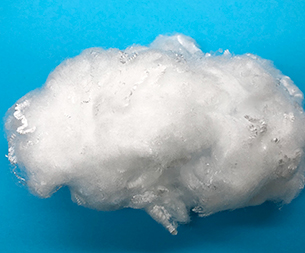
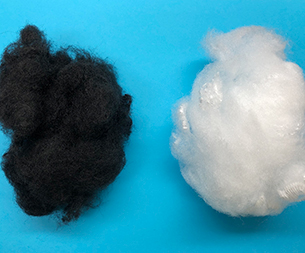
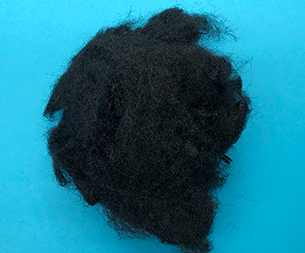
Polypropylene staple fiber, as an important category of synthetic fibers, has extensive application value in the textile and nonwoven fields. This short fiber made from polypropylene plays a significant role in multiple industrial fields due to its material properties.
From the perspective of material properties, Polypropylene staple fiber is characterized by its light weight, with a density less than that of water, allowing it to float on water surfaces. This type of fiber has relatively weak moisture absorption and a low moisture regain rate, and can still maintain good dimensional stability in a humid environment. The chemical resistance of polypropylene staple fiber is relatively prominent, and it has a certain resistance to acids, alkalis and other chemicals, making it suitable for use in specific environments.
In terms of production process, Polypropylene staple fiber is made through melt spinning technology. During the production process, polypropylene chips are heated and melted, then formed into continuous filaments through spinnerets. After going through stretching, curling, cutting and other processes, they are finally formed into short fibers of uniform specifications. By adjusting the process parameters, manufacturing enterprises can control the fineness, length and curl degree of polypropylene staple fibers to meet the demands of different applications.
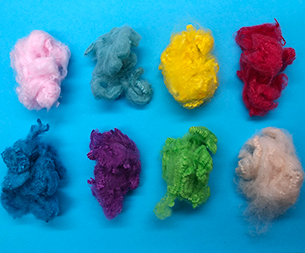
The application scope of Polypropylene staple fiber is relatively wide. In the textile field, this kind of fiber is often used to make decorative fabrics, carpet base fabrics and filling materials. Due to the dyeing characteristics of polypropylene staple fibers, the original solution coloring process is usually adopted to enable the fibers to obtain color during the spinning process and enhance the color fastness. In the field of industrial textiles, polypropylene staple fibers can be used to produce filter materials, geotextiles and protective equipment.
The nonwoven fabric industry is an important application direction for polypropylene staple fibers. Polypropylene staple fibers can be processed into various non-woven fabric products through hot bonding, needling or spunlacing processes. These products have practical applications in medical and hygiene materials, household items and agricultural covering materials. Nonwoven fabrics made of polypropylene staple fibers have the characteristics of reasonable cost and stable performance.
From a development perspective, the production technology of polypropylene staple fiber has been continuously improved. The development of differentiated products such as fine denier polypropylene staple fiber and functional polypropylene staple fiber has enriched market choices. With the increasing environmental protection requirements, the recyclability of polypropylene staple fibers has received more attention, which provides material support for the development of a circular economy.
When using Polypropylene staple fibers, it is necessary to select the appropriate fiber specifications according to the requirements of the final product. Polypropylene staple fibers of different lengths and fineness vary in processing performance and finished product characteristics. By optimizing fiber parameters, manufacturing enterprises can enhance the performance of the final products.
- Industrial Supporting Refinement Upgrades, Polypropylene Staple Fiber Breaks Universal Limitations for Specialized Matching
- Industrial Production Accelerates in September|Jiangsu Haibang New Materials Consolidates Non-woven Industry Supply with Polypropylene Staple Fiber
- Evolving Demands of Technical Textiles Drive Custom‑Functional Development of Polypropylene Staple Fiber
- Polypropylene Staple Fiber for Diverse Downstream Industries, Functional Chemical Fibers Boost Technical Textile Upgrading
- Expanded Downstream Segments Push Polypropylene Staple Fiber Toward Functional Customization
- Polypropylene Staple Fiber, Versatile Base Chemical‑fiber Material for Industrial Textiles
- Polypropylene Staple Fiber Industry Advances Steadily as Differentiated Applications Drive Service Improvement
- Polypropylene Staple Fibers Support Industrial Growth — Jiangsu Haibang New Material Earns Market Recognition Through Quality
- Functional PP Staple Fiber Expands Application Coverage, Upstream & Downstream Chemical Fiber Industries Upgrade Simultaneously
- How to Choose PP Staple Fiber for Procurement? Selection Guide for Multi-Field Fiber Raw Materials
- Markets
- Automotive Products
- Nonwoven Lining
- Geosynthetics
- Liquid Filtration
- Apparel and Textiles
- Hygiene Products
- Building and Construction
- Other Markets
- Contact Us
- Contact Haibang