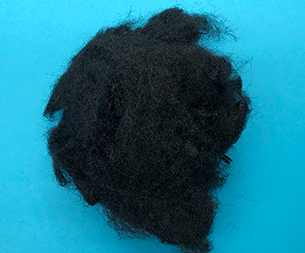
Polypropylene staple fibers, as a common synthetic fiber material, play a significant role in various industrial and civilian fields. These short fibers, made from polypropylene as the raw material, have unique physical and chemical properties, and have become one of the basic materials in the textile and non-woven industries.
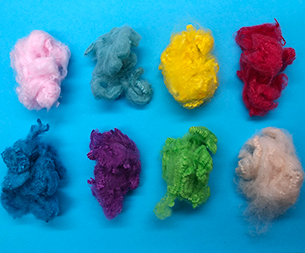
From the perspective of production process, polypropylene staple fibers are produced through melt spinning and cutting procedures. During the production process, by adjusting the process parameters, the fineness, length and crimp degree of the fibers can be controlled, thus meeting the needs of different applications. The finished polypropylene staple fibers usually have the characteristics of light texture and good water repellency.
In terms of physical properties, the density of Polypropylene staple fibers is lower than that of water, which gives the products made from them good buoyancy. The fibers themselves have high strength and excellent wear resistance. They can maintain their original shape even after multiple washes. At the same time, polypropylene short fibers have strong resistance to chemical substances such as acids and alkalis, and can maintain stable performance in specific environments.
Polypropylene staple fibers have a wide range of applications. In the textile industry, they can be used alone or in combination with other fibers to produce decorative fabrics, outdoor textiles, and other products. In the industrial application field, polypropylene staple fibers are often used to manufacture geotextiles, filtration materials, and engineering reinforcing materials. Their hydrophobic property enables them to perform well in the preparation of oil-absorbing materials and can be used to handle oil spills on water surfaces.
In addition, Polypropylene staple fibers also have applications in the healthcare field. The specially treated fibers can be used to produce disposable medical non-woven fabric products. Due to the fact that polypropylene staple fibers are not prone to mold, they can maintain stable performance even in humid environments. Therefore, they demonstrate advantages for use in certain specific situations.
When purchasing Polypropylene staple fibers, users need to determine the fiber specifications based on the performance requirements of the final product. Different fineness and length of fibers will affect the softness, strength, and other characteristics of the final product. At the same time, paying attention to indicators such as color fastness and uniformity of the fibers can help ensure the smooth progress of subsequent processing.
When storing polypropylene staple fibers, it is necessary to ensure the environment is dry and well-ventilated, and avoid prolonged exposure to direct sunlight. During transportation, take measures to prevent moisture, which can maintain the good performance of the fibers.
- Industrial Supporting Refinement Upgrades, Polypropylene Staple Fiber Breaks Universal Limitations for Specialized Matching
- Industrial Production Accelerates in September|Jiangsu Haibang New Materials Consolidates Non-woven Industry Supply with Polypropylene Staple Fiber
- Evolving Demands of Technical Textiles Drive Custom‑Functional Development of Polypropylene Staple Fiber
- Polypropylene Staple Fiber for Diverse Downstream Industries, Functional Chemical Fibers Boost Technical Textile Upgrading
- Expanded Downstream Segments Push Polypropylene Staple Fiber Toward Functional Customization
- Polypropylene Staple Fiber, Versatile Base Chemical‑fiber Material for Industrial Textiles
- Polypropylene Staple Fiber Industry Advances Steadily as Differentiated Applications Drive Service Improvement
- Polypropylene Staple Fibers Support Industrial Growth — Jiangsu Haibang New Material Earns Market Recognition Through Quality
- Functional PP Staple Fiber Expands Application Coverage, Upstream & Downstream Chemical Fiber Industries Upgrade Simultaneously
- How to Choose PP Staple Fiber for Procurement? Selection Guide for Multi-Field Fiber Raw Materials
- Markets
- Automotive Products
- Nonwoven Lining
- Geosynthetics
- Liquid Filtration
- Apparel and Textiles
- Hygiene Products
- Building and Construction
- Other Markets
- Contact Us
- Contact Haibang