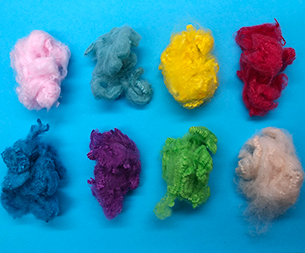
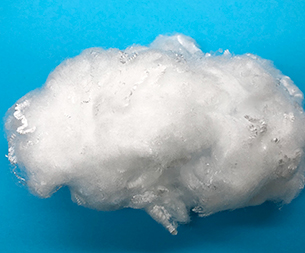
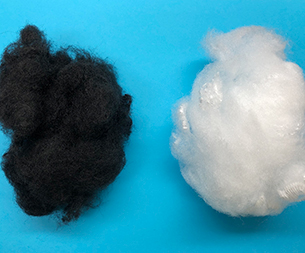
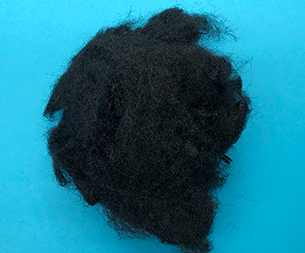
In the synthetic fiber product series, polypropylene staple fiber is a common industrial raw material. It is produced by melting polypropylene, spinning it into fibers, and then cutting them. It features light weight, good elasticity, and resistance to acids and alkalis.
From the perspective of the applications of polypropylene staple fibers, they mainly cover two major directions. One is in the field of non-woven fabrics, such as hygiene materials, geotextiles, and automotive interiors, taking advantage of their moisture-wicking and quick-drying properties as well as low heat conductivity. The other is in the filling sector, like cushions, toys, and filter materials, relying on their loftiness and compression resistance. Additionally, modified varieties such as flame-retardant and antibacterial polypropylene staple fibers can also be used in special protective scenarios.
When enterprises choose manufacturers of polypropylene staple fibers, they usually focus on three aspects: whether the raw materials are of primary grade, whether the length of the staple fibers is suitable for the equipment (such as 38mm, 51mm, 64mm), and the batch stability. Different deniers (from 1.5D to 15D) can meet the various requirements for fine denier non-woven fabrics and coarse denier filling.
Regarding the price of polypropylene staple fibers, its fluctuations are related to polypropylene pellets, processing fees, and seasonal demand. The regular 1.5D × 38mm specification is used for spunbond non-woven fabrics, and its price transparency is high; while the pricing of low-melting-point or two-component products is more dependent on the added functions. Purchasers can refer to the daily quotations on the chemical fiber information website or the commodity platform.
When using polypropylene filament fibers daily, the following points should be noted: Storage should be protected from light and moisture. Long-term exposure to ultraviolet rays will lead to a decrease in strength; Before opening the package and mixing, it is recommended to test the moisture content. If it is too high, it may affect the felting and netting effect. Reasonably controlling these variables can better utilize the material's properties.
Jiangsu Haibang New Materials Co., Ltd., formerly known as Taizhou Hailun Chemical Fiber Co., Ltd., is a technical-oriented chemical fiber enterprise specializing in the research, production and sales of polypropylene staple fibers. The company has two factory sites in Taizhou City, Jiangsu Province (18 kilometers apart), covering a total area of over 100,000 square meters, with 50,000 square meters of factory buildings and over 10,000 square meters of office space. The company has 9 advanced fully automatic polypropylene staple fiber production lines, with an annual designed production capacity of 90,000 tons.
- Industrial Supporting Refinement Upgrades, Polypropylene Staple Fiber Breaks Universal Limitations for Specialized Matching
- Industrial Production Accelerates in September|Jiangsu Haibang New Materials Consolidates Non-woven Industry Supply with Polypropylene Staple Fiber
- Evolving Demands of Technical Textiles Drive Custom‑Functional Development of Polypropylene Staple Fiber
- Polypropylene Staple Fiber for Diverse Downstream Industries, Functional Chemical Fibers Boost Technical Textile Upgrading
- Expanded Downstream Segments Push Polypropylene Staple Fiber Toward Functional Customization
- Polypropylene Staple Fiber, Versatile Base Chemical‑fiber Material for Industrial Textiles
- Polypropylene Staple Fiber Industry Advances Steadily as Differentiated Applications Drive Service Improvement
- Polypropylene Staple Fibers Support Industrial Growth — Jiangsu Haibang New Material Earns Market Recognition Through Quality
- Functional PP Staple Fiber Expands Application Coverage, Upstream & Downstream Chemical Fiber Industries Upgrade Simultaneously
- How to Choose PP Staple Fiber for Procurement? Selection Guide for Multi-Field Fiber Raw Materials
- Markets
- Automotive Products
- Nonwoven Lining
- Geosynthetics
- Liquid Filtration
- Apparel and Textiles
- Hygiene Products
- Building and Construction
- Other Markets
- Contact Us
- Contact Haibang