The core performance advantages of polypropylene staple fibers:
1. Lightweight and low density
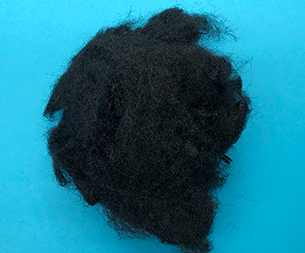
The density of polypropylene staple fibers is only 0.91 g/cm, which is the lowest among common chemical fibers. This makes it have significant advantages in lightweight applications, especially suitable for fields such as automotive interiors where weight is a requirement.
2. High strength and good wear resistance
The strength of polypropylene staple fibers remains basically the same in both dry and wet conditions. The strength of the short fibers can reach 4-6 grams per denier. The wear resistance and resilience are excellent, and the products made from them have extremely high durability.
3. Acid and alkali resistance, corrosion resistance
Polypropylene has excellent tolerance to acids and alkalis, with extremely high resistance to acids and alkalis. It can be used for a long time in harsh environments without significant degradation, and is particularly suitable for applications such as geotextiles and filter materials that require high durability.
4. Water-repellent and Oil-absorbing Properties
Polypropylene exhibits excellent water-repellent and oil-absorbing properties, which give it unique advantages in oil-water separation and oil-absorbing materials.
5. Environmentally friendly and non-toxic
The polypropylene material itself is non-toxic, and it can replace glue with its low-melting-point polypropylene, achieving various performance requirements such as environmental friendliness, light weight, and high strength.
How to choose polypropylene staple fibers?
When purchasing polypropylene staple fibers, the following points are recommended to be paid attention to:
View application fields: Select the appropriate specification and model based on the product's purpose (different requirements for fiber performance exist in industries such as automotive, geotextiles, and pharmaceuticals)
Check the linear density (filament count): For spinning, the commonly selected range is 1.67 dtex to 7.80 dtex; for non-woven applications, it can reach up to 120.00 dtex.
Check the fiber length: Select the appropriate length based on the specific application. For concrete, it can range from 1.5 to 200.0 mm; for diapers, it is approximately 40.0 mm.
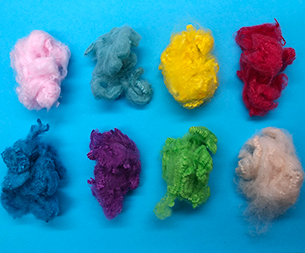
Color requirements: For colored yarns, it is necessary to confirm whether the color fastness and glossiness meet the requirements.
Check the supplier's qualifications: Select manufacturers with a complete testing system and quality certifications.
Examine production capacity and delivery capability: Ensure that the supplier can provide stable supplies.
- Practical Guide for Storage and Pre‑Feeding Inspection of Polypropylene Staple Fibers
- Selection Tips for Polypropylene Staple Fibers to Match Non‑Woven Processes
- Polypropylene Staple Fiber for Hygiene & Auto Interiors: Indexes Not Interchangeable
- What should be noted when purchasing polypropylene staple fibers for the project?
- From Materials to Applications: New Changes Emerging in the Polypropylene Fiber Industry
- Polypropylene Staple Fiber Applications Are Becoming More Specialized
- Industrial Supporting Refinement Upgrades, Polypropylene Staple Fiber Breaks Universal Limitations for Specialized Matching
- Industrial Production Accelerates in September|Jiangsu Haibang New Materials Consolidates Non-woven Industry Supply with Polypropylene Staple Fiber
- Evolving Demands of Technical Textiles Drive Custom‑Functional Development of Polypropylene Staple Fiber
- Polypropylene Staple Fiber for Diverse Downstream Industries, Functional Chemical Fibers Boost Technical Textile Upgrading
- Markets
- Automotive Products
- Nonwoven Lining
- Geosynthetics
- Liquid Filtration
- Apparel and Textiles
- Hygiene Products
- Building and Construction
- Other Markets
- Contact Us
- Contact Haibang