In recent years, with the continuous advancement of national infrastructure construction and the upgrading of the automotive and home furnishing industries, the demand for polypropylene staple fibers, as an important synthetic fiber variety, is showing a diversified and refined development trend. Thanks to its excellent characteristics such as light density, high strength, resistance to acid and alkali corrosion, and environmental friendliness and recyclability, polypropylene staple fibers have already broken through the limitations of traditional textile fields and are playing an irreplaceable role in industrial sectors such as geotechnical construction, transportation, and filtration materials.
In the field of geotextiles and building reinforcement, polypropylene filament fibers, due to their excellent mechanical properties and chemical stability, can effectively enhance the load distribution capacity of roadbeds, dams and other civil engineering projects, reducing ground subsidence and cracking. They have become an indispensable material in modern infrastructure construction. Under the trend of automotive lightweighting and environmentally friendly interior design, polypropylene filament fibers, with their extremely light texture and good resilience, are widely used in automotive carpets, trunk padding and seat fabrics. This not only reduces the vehicle's weight but also ensures the comfort and health of the interior space.
Meanwhile, the production process of domestic polypropylene staple fibers is also constantly evolving and upgrading. Fiber manufacturing enterprises in regions such as Jiangsu are enhancing the uniformity and functionality of fibers by introducing fully automated production lines and establishing comprehensive testing laboratories. Currently, the industry not only meets the conventional textile demands but has also made significant progress in the research and development of differentiated and high-performance polypropylene staple fibers with properties such as UV resistance, flame retardancy, high strength, and high modulus. They have gradually achieved the domestic substitution of some products.
Looking ahead, under the background of green manufacturing and the "carbon neutrality" goal, polypropylene staple fibers, as a low-carbon and recyclable environmentally friendly fiber, will further expand their application scope. For downstream manufacturing enterprises, keeping up with the innovation of raw material technology and closely cooperating with fiber suppliers with R&D capabilities and quality control abilities will be the key to responding to market changes and creating high-value-added end products.
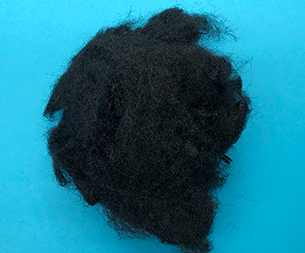
- Industrial Supporting Refinement Upgrades, Polypropylene Staple Fiber Breaks Universal Limitations for Specialized Matching
- Industrial Production Accelerates in September|Jiangsu Haibang New Materials Consolidates Non-woven Industry Supply with Polypropylene Staple Fiber
- Evolving Demands of Technical Textiles Drive Custom‑Functional Development of Polypropylene Staple Fiber
- Polypropylene Staple Fiber for Diverse Downstream Industries, Functional Chemical Fibers Boost Technical Textile Upgrading
- Expanded Downstream Segments Push Polypropylene Staple Fiber Toward Functional Customization
- Polypropylene Staple Fiber, Versatile Base Chemical‑fiber Material for Industrial Textiles
- Polypropylene Staple Fiber Industry Advances Steadily as Differentiated Applications Drive Service Improvement
- Polypropylene Staple Fibers Support Industrial Growth — Jiangsu Haibang New Material Earns Market Recognition Through Quality
- Functional PP Staple Fiber Expands Application Coverage, Upstream & Downstream Chemical Fiber Industries Upgrade Simultaneously
- How to Choose PP Staple Fiber for Procurement? Selection Guide for Multi-Field Fiber Raw Materials
- Markets
- Automotive Products
- Nonwoven Lining
- Geosynthetics
- Liquid Filtration
- Apparel and Textiles
- Hygiene Products
- Building and Construction
- Other Markets
- Contact Us
- Contact Haibang