
Walking into a textile factory or nonwoven fabric production line, you'll often see a lightweight and strong fiber material—Polypropylene Staple Fiber. This seemingly ordinary polypropylene fiber, with its unique combination of properties, is becoming an indispensable basic material in many industrial sectors.
What is Polypropylene Staple Fiber?
Polypropylene Staple Fiber is a short fiber made from polypropylene as the main raw material, produced by melt spinning and then cutting. Unlike filaments, its length is typically between a few millimeters and tens of millimeters, with a loose shape and good processing adaptability. The production process endows it with the core advantages of polypropylene materials: lightweight, hydrophobic, and chemically resistant.
Core Performance Advantages
Lightweight and high strength are the outstanding characteristics of Polypropylene Staple Fiber. Its density is only 0.91 g/cm, lighter than water, which makes the final product lighter in weight while achieving the same strength. At the same time, the optimized production process gives it good tensile strength and abrasion resistance, providing a foundation for the material's durability.
Excellent chemical stability makes it perform well in acidic and alkaline environments, and it is not easily corroded or degraded. This characteristic makes it a reliable choice in filtration materials, chemical protection, and other fields. Its near-non-absorbent nature prevents performance degradation and microbial growth caused by moisture, extending product lifespan.
Wide Applications
In the nonwoven fabric field, polypropylene staple fiber can be processed into covering materials for medical and hygiene products, furniture filling linings, geotextiles, etc., through processes such as thermal bonding and needle punching. Its softness and hypoallergenic properties are particularly well utilized in disposable hygiene materials.
In textile blends, polypropylene staple fiber is often blended with other fibers such as cotton and linen to improve the quick-drying properties of the fabric, increase its bulkiness, and reduce its overall weight. It is commonly found in home textiles and certain functional clothing fabrics.
In industrial materials, filter cloths made from polypropylene staple fiber are widely used in solid-liquid separation and air filtration in the chemical and environmental protection industries. Its corrosion resistance and easy-to-clean properties reduce operating costs. In construction engineering, concrete reinforced with polypropylene staple fiber and geotextiles used for soil stabilization are also favored due to their corrosion resistance and durable strength.
Jiangsu Haibang New Materials Co., Ltd., formerly known as Taizhou Hailun Chemical Fiber Co., Ltd., is a technical chemical fiber enterprise specializing in the research, development, production and sales of polypropylene staple fiber. The company has two factories in the north and south in Taizhou City, Jiangsu Province (18 kilometers apart), covering a total area of more than 100,000 square meters, including 50,000 square meters of factory buildings and over 10,000 square meters of office buildings. The company has 9 advanced fully automatic polypropylene staple fiber production lines with an annual designed production capacity of 90,000 tons. The company has established a complete polypropylene staple fiber testing laboratory, has a full set of fiber testing instruments, and has the ability to develop new polypropylene staple fiber products.
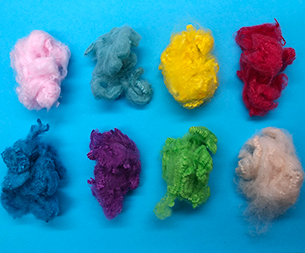
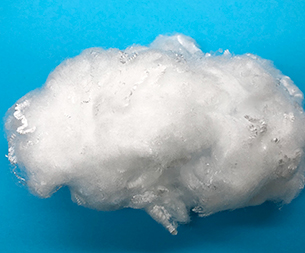
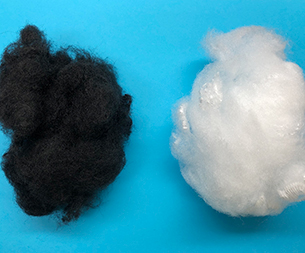
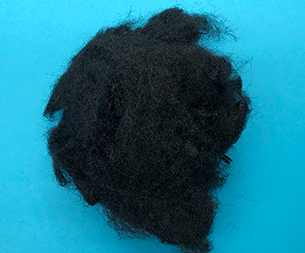
- Industrial Supporting Refinement Upgrades, Polypropylene Staple Fiber Breaks Universal Limitations for Specialized Matching
- Industrial Production Accelerates in September|Jiangsu Haibang New Materials Consolidates Non-woven Industry Supply with Polypropylene Staple Fiber
- Evolving Demands of Technical Textiles Drive Custom‑Functional Development of Polypropylene Staple Fiber
- Polypropylene Staple Fiber for Diverse Downstream Industries, Functional Chemical Fibers Boost Technical Textile Upgrading
- Expanded Downstream Segments Push Polypropylene Staple Fiber Toward Functional Customization
- Polypropylene Staple Fiber, Versatile Base Chemical‑fiber Material for Industrial Textiles
- Polypropylene Staple Fiber Industry Advances Steadily as Differentiated Applications Drive Service Improvement
- Polypropylene Staple Fibers Support Industrial Growth — Jiangsu Haibang New Material Earns Market Recognition Through Quality
- Functional PP Staple Fiber Expands Application Coverage, Upstream & Downstream Chemical Fiber Industries Upgrade Simultaneously
- How to Choose PP Staple Fiber for Procurement? Selection Guide for Multi-Field Fiber Raw Materials
- Markets
- Automotive Products
- Nonwoven Lining
- Geosynthetics
- Liquid Filtration
- Apparel and Textiles
- Hygiene Products
- Building and Construction
- Other Markets
- Contact Us
- Contact Haibang